
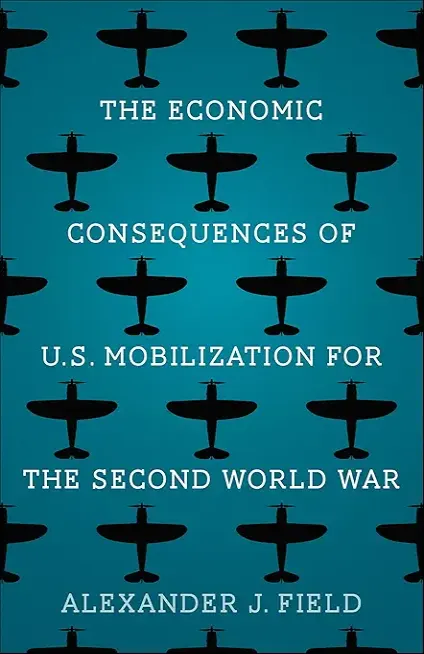
The Economic Consequences of U.S. Mobilization for the Second World War
The Economic Consequences of U.S. Mobilization for the Second World War examines how the unprecedented shift to a wartime economy reshaped American fiscal and industrial institutions, labor markets, and long term growth. It traces the effects of massive government spending and deficit financing on output, inflation, and taxation; the rapid reallocation of resources from civilian to military production; the mobilization of labor including women and internal migration; and policies such as price controls, rationing, and labor management that stabilized production but also altered market incentives. The book assesses how wartime technological investment and expanded industrial capacity boosted productivity and set the stage for postwar economic expansion, while also creating challenges in demobilization, public debt management, and the rise of a more permanent federal role in economic planning. By linking short term wartime measures to enduring institutional and distributional outcomes, it offers a comprehensive account of how mobilization transformed the American economy.
Huge Discount!
Available for a limited time
We search Amazon for the best deals everyday so you won't have to. Most books are between 50% and 80% off.
Get Deal